
ECE R10 & EMC Compliance Explained for Vehicle Lighting
Posted on 15th August 2026
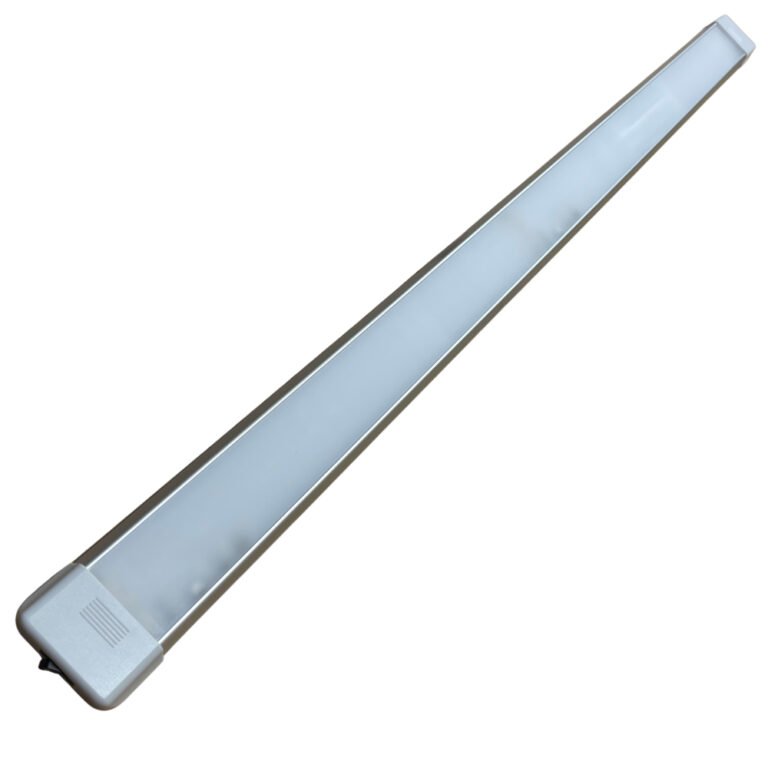
If you have been researching vehicle lighting, you may have seen products labelled “ECE R10 approved”. ECE R10, also called UN Regulation No. 10, concerns electromagnetic compatibility, or EMC, for road vehicles and electrical or electronic sub-assemblies within its scope.
EMC concerns both the disturbance electrical equipment can produce and its ability to function in the presence of electromagnetic disturbance. Approval relates to defined requirements and test conditions. It is not a promise that interference can never occur in any installation.
What is ECE R10?
UN Regulation No. 10 sets requirements for vehicle EMC approval. It covers emissions and immunity, with the applicable tests depending on the vehicle or equipment being assessed. It is separate from regulations governing a lamp’s beam pattern or other lighting functions.
An approval mark includes more than the letter E. The country identifier, regulation reference and approval number help identify the approval. Ask for documentation matching the precise model and variant, including any restrictions or conditions of installation.
Why LED lighting can cause interference
The electronic circuitry that powers or controls LEDs can be a source of electrical noise. Switching LED drivers use rapidly changing electrical signals, which can produce electromagnetic emissions. Driver design, circuit-board layout, filtering and the installed wiring can affect the result.
Not every LED product uses the same driver design. An input rating such as 10–30V DC does not reveal the internal circuit topology. It also does not, by itself, prove performance during engine cranking, supply transients or other automotive disturbances.
Radiated interference
Electrical noise can couple into the surrounding space from circuitry and wiring. Radio reception is one example of a function that can be affected by unwanted emissions.
Conducted interference
Disturbance can also travel along electrical connections, including supply wiring. This is why equipment design and the complete installation both matter when assessing EMC.
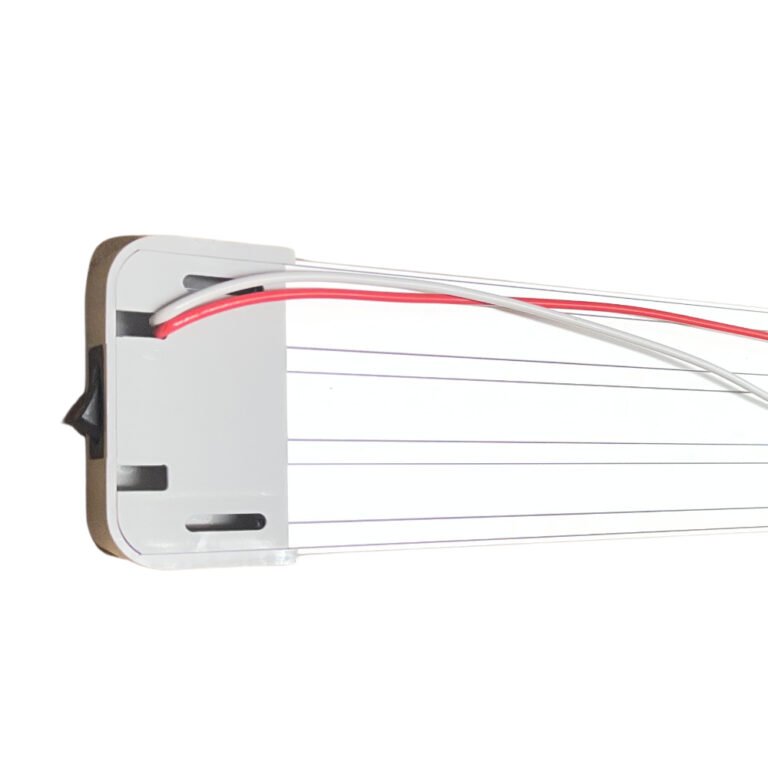
The two sides of EMC
Emissions testing assesses disturbances produced by the equipment against the applicable limits. Immunity testing assesses its response to specified electromagnetic disturbances. The relevant requirements and exemptions depend on the equipment and its functions.
Do not assume that every approved interior light has undergone every test described anywhere in the regulation. The approval documentation and applicable test plan establish the scope.
What to do if interference appears
A radio problem, camera glitch or dashboard warning does not identify its cause on its own. A change noticed after a lighting installation is a reason to investigate, rather than proof of a particular fault or a universal repair.
Ask the installer or a competent vehicle electrical specialist to diagnose the problem using the vehicle and lighting manufacturers’ information. Warning lights and safety-related faults should be assessed through the vehicle manufacturer’s service process. Do not treat a generic filter, ferrite or replacement lamp as a confirmed remedy.
How products are tested and approved
R10 type approval is issued through an approval authority using the applicable technical assessment. Testing follows defined methods and configurations. Depending on the test and equipment, the regulation provides for different test arrangements, including permitted open-area alternatives for some measurements.
For a buyer, the useful checks are the exact model covered, the approval reference, any installation restrictions and the manufacturer’s supporting documentation. A general statement that a product has been “EMC tested” does not explain all of these details.
For example, our Aten Trio 270 product page lists a regulated 10–30V DC input and an ECE R10 approval reference. Ask us for the documentation relevant to the fitting and your proposed application. Approval should not be read as an unconditional guarantee of zero interference.
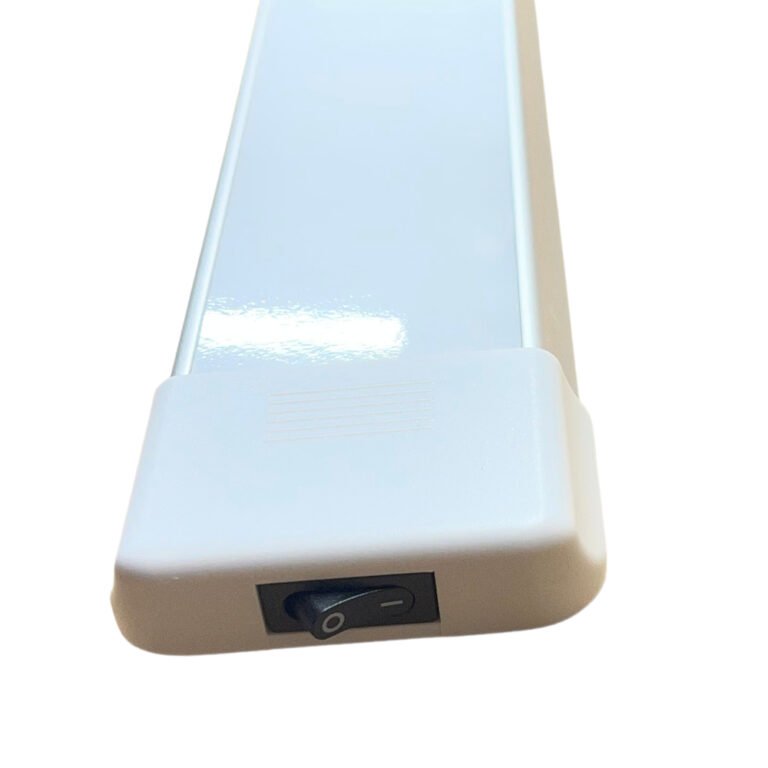
Does interior vehicle lighting need ECE R10?
Interior location alone does not establish whether type approval is required. The regulation includes qualified provisions for certain aftermarket equipment; the equipment’s functions and the relevant compliance documentation matter.
For a UK installation, check the current requirements with the Vehicle Certification Agency or a competent approval specialist. Great Britain and Northern Ireland have different approval arrangements. Do not assume that an interior campervan light is automatically exempt.
Boat lighting is a separate application. A road-vehicle R10 approval is not, on its own, evidence of saltwater suitability, an IP rating or compliance with the requirements for a particular vessel.
Installation considerations
Follow the vehicle and lighting manufacturers’ instructions for supply connections, wiring routes, mounting and any specified suppression measures. Any changes to the vehicle’s electrical installation should be assessed by a competent installer.
There is no universal rule that placing a driver beside the battery or adding a filter will solve interference. Suppression needs to address the actual source and coupling path, and poorly chosen changes can introduce other problems.
Choosing lighting with suitable documentation
Compare the required electrical specification, approval coverage and installation conditions alongside light output and mounting style. Certification costs and selling prices vary, so price alone does not establish compliance or suitability.
Browse our vehicle lighting range or contact Aten Lighting to discuss a product’s specification and available approval information before ordering.
Frequently asked questions
What are ECE R10 LED lights?
They are LED products described as approved under UN Regulation No. 10 for the applicable EMC requirements. Check that the approval documentation covers the exact product and intended installation.
Is ECE R10 required for vehicle lighting?
The requirement depends on the equipment, its function and the relevant vehicle approval route. Obtain application-specific advice rather than treating every light as either automatically covered or automatically exempt.
Can LED lights cause radio interference in vehicles?
Yes. Electronic drivers and controls can produce electromagnetic noise. The cause of a particular reception problem needs diagnosis, and a nominal voltage rating does not establish EMC performance.
Do campervan lights need ECE R10?
Check the requirements for the exact equipment and installation. Being inside a campervan does not, by itself, settle the approval requirement.
Why can approved lighting cost more?
Testing, documentation and product engineering form part of development costs. The price difference varies, and a higher price does not independently prove approval.
UN Regulation No. 10, 06-series publication; VCA: current GB technical guidance; Analog Devices: EMI from LED drivers. The applicable approval route and regulation series must be confirmed for the installation.
