
Choosing Marine LED IP Ratings: What IP20, IP44, IP65 & IP67 Really Mean on Boats
Posted on 15th September 2026
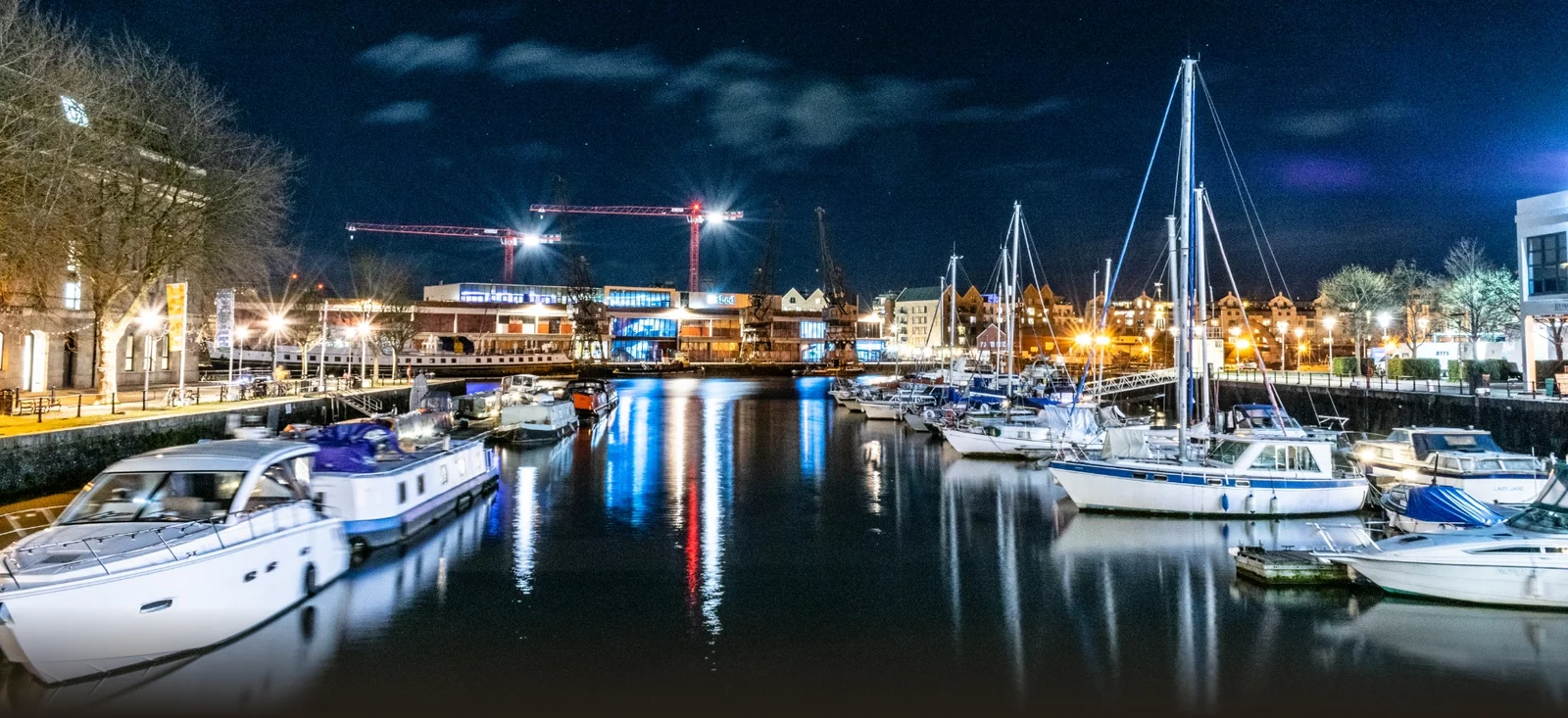
Marine LED IP ratings describe particular kinds of enclosure protection. They are useful when comparing lights for boats, but an IP number alone does not establish suitability for saltwater, condensation, deck wash or underwater installation.
Understanding the difference between IP20, IP44, IP65 and IP67 helps you ask the right questions before choosing fittings. Match the exact product and its installation conditions to the location, with advice from a competent marine electrical installer.
Understanding the IP code
The IP code in IEC 60529 describes protection provided by an enclosure. Its first numeral covers access to hazardous parts and the entry of solid objects; the second covers water ingress under specified tests.
| Rating | Enclosure protection summary |
|---|---|
| IP20 | Against access with a finger and solid objects 12.5mm or larger; no water protection. |
| IP44 | Against access with a wire and solid objects 1mm or larger; splashing water. |
| IP65 | Dust-tight; water jets under the specified test conditions. |
| IP67 | Dust-tight; temporary immersion under a defined test, normally summarised for small enclosures as 1m for 30 minutes. |
| IP68 | Dust-tight; continuous-immersion conditions agreed with the manufacturer. Confirm the stated depth and duration. |
These summaries describe test categories, rather than a guarantee that water can never enter in use. Read the manufacturer’s conditions, including mounting orientation and which parts of the fitting are covered. Higher water numerals are not a simple ladder of protection: immersion categories do not automatically include the jet tests.
Fully enclosed interiors
A dry cabin, saloon or sleeping area has different exposure from an open cockpit. An IP20 light has no water protection, so it should not be selected for a location where moisture protection is required.
Assess condensation and any likely drips as well as normal day-to-day conditions. A cabin’s position inside the boat does not, by itself, prove that a fitting will remain dry or that IP20 is suitable. Check the product’s stated application and mounting requirements with the installer.
Galleys, heads and companionways
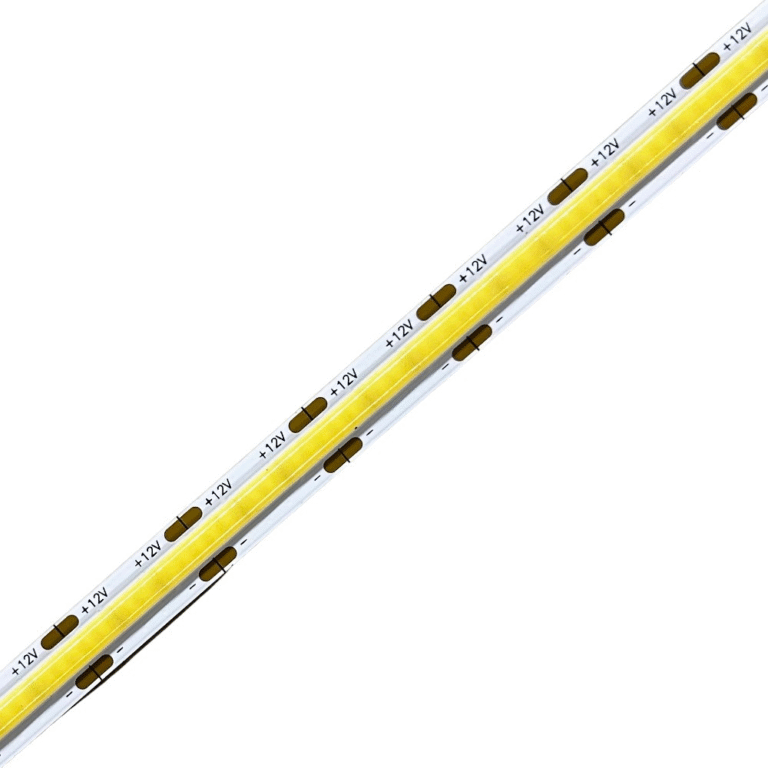
Consider the actual exposure around sinks, showers and entrances. Splashing, directed water, condensation and the rear of a recessed fitting are separate points to check. IP44 describes a splash test; IP65 describes a water-jet test. Neither rating is a universal approval for every location in a boat.
Do not choose a shower fitting solely because it is advertised as 12V or 24V. Confirm the exact model’s water protection, permitted installation and applicable marine electrical requirements with the manufacturer and a competent marine installer.
Cockpits and covered deck areas
A sprayhood or cover does not settle the specification for the light beneath it. Discuss rain, spray, cleaning water and any possibility of immersion with the installer, and check the manufacturer’s evidence for those exposures.
IP65 describes an enclosure’s performance in a defined water-jet test. It does not certify resistance to salt corrosion, condensation or every form of deck washing. Materials, seals, mounting and electrical connections need to be suitable for the actual marine application.
Exposed decks and underwater use
Temporary immersion protection is different from protection against waves, jets or long-term submersion. An IP67 marking alone is not enough to specify a toe-rail light, a fitting exposed to boarding seas or an underwater light.
For underwater use, select equipment whose manufacturer explicitly confirms the intended underwater and marine conditions. With IP68, obtain the stated test and operating conditions, including depth and duration. Do not interpret IP68 as unlimited immersion in any water.
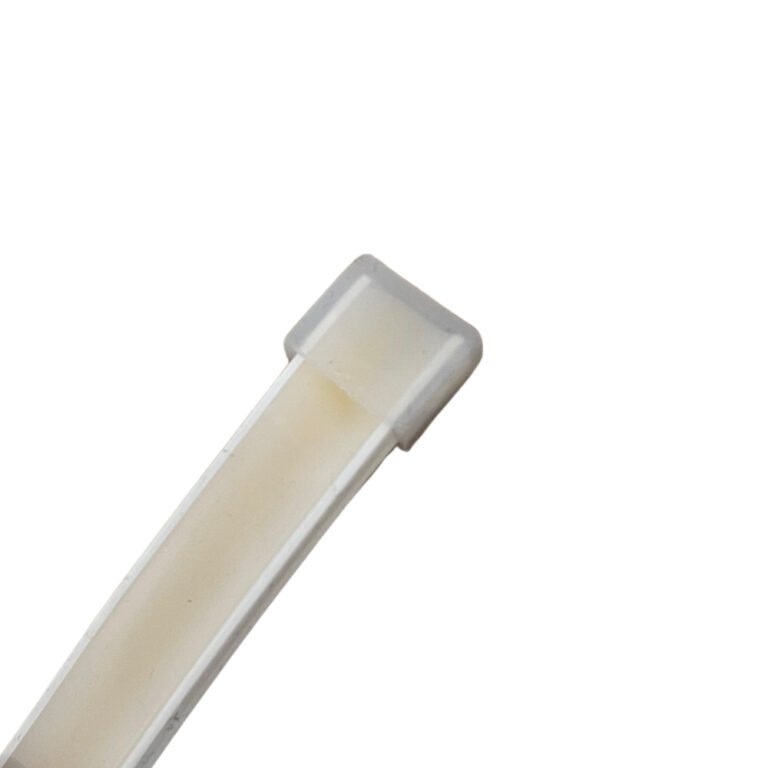
Our 12V IP67-enclosed COB LED strip is supplied with sealed connections and an end cap. Its product specification states that vehicle and marine applications need additional waterproof sealing. Confirm the intended location and sealing requirements with us and your installer; do not assume its IP rating approves exposed-deck or underwater use.
Salt spray and condensation
Standard IP water tests use fresh water. Corrosion, solar radiation and moisture produced by condensation are matters beyond the IP classification itself. A water-ingress rating therefore cannot establish a product’s resistance to a marine environment on its own.
Ask for the manufacturer’s stated marine suitability, material specifications, installation conditions and maintenance requirements. Avoid treating a particular metal, coating or gasket description as proof of suitability for every vessel and location.
A practical selection framework
For each light, record the proposed location and the exposures it needs to withstand. Then check:
- The exact model’s solid-object and water ratings.
- Separate evidence for splashes, jets and immersion where relevant.
- Marine suitability, corrosion resistance and condensation requirements.
- Whether the rating covers the whole fitting or only its front face.
- The conditions for the supply connection, seals, cut ends and any accessories.
- The manufacturer’s instructions and the installer’s assessment of the complete installation.
Choose evidence for the conditions you actually need, rather than simply moving up one IP number. Browse our boat and marine LED range, then contact Aten Lighting to check the specifications of the exact products you are considering.
IEC 60529: degrees of protection provided by enclosures; Phoenix Contact: enclosure protection and separate jet/immersion tests. An IP classification is not a complete marine installation specification.
